Last Updated: April 13, 2026
Most automation programs automate the wrong things first.
Process mining for automation prioritization fixes this. It extracts real event data from systems like SAP S/4HANA and Salesforce, maps what actually runs, and shows you where volume, cycle time, and rework concentrate. That’s where automation pays off.
Teams typically pick processes based on who asked loudest, what’s easiest to document, or what looks like a quick win. The result: bots that run but don’t move the needle. Deloitte reports that 30-50% of RPA projects fail to meet objectives, and maintenance consumes 70-75% of automation budgets.
What’s in this article:
- What is process mining and how does it work?
- How does process mining identify which processes to automate?
- How do you run a process mining pilot?
- What to do next
What is process mining and how does it work?
Process mining is the analysis of event logs from ERP and CRM systems to map actual process flows, identify bottlenecks, and detect conformance deviations.
Every transaction that moves through a system leaves a timestamped record. Process mining tools collect those records, each needing at minimum a Case ID, an Activity name, and a Timestamp, then reconstruct what actually ran. Not the process as designed. Not what a business analyst documented. What executed.
Three techniques make this useful. Process discovery builds a visual model from raw event data. Conformance checking compares that model against the intended process to surface deviations. Enhancement overlays cost, time, and frequency data onto the model so you can see where the damage is concentrated.
Tools like Celonis, SAP Signavio Process Intelligence, Microsoft Power Automate Process Mining (formerly Minit), Fluxicon Disco, IBM Process Mining, and UiPath Process Mining all do this. The 2024 Gartner Magic Quadrant for Process Mining Platforms placed Celonis, SAP, Microsoft, ARIS, and IBM as leaders.
How does process mining identify which processes to automate?
Process mining identifies automation candidates by measuring transaction volume, cycle time, error rate, and rework frequency across process variants, not assumptions.
In accounts payable, process mining commonly surfaces a rework loop between “Invoice Data Captured” and “Invoice Validated.” The same invoice passes back through manual correction several times before approval, inflating costs and delaying payment. That loop is visible in the data. It’s not visible in a process map drawn from interviews.
Conformance checking adds another layer: it surfaces compliance deviations continuously, not just during a quarterly audit. Traditional audits sample a fraction of executed processes. Process mining runs against every case, which matters in regulated industries where a missed step in order-to-cash or procure-to-pay can trigger a finding.
According to Celonis, Johnson & Johnson achieved a 30% reduction in touch time and a 40% reduction in price changes after using process mining to redesign delivery processes. Accenture reports a 75% reduction in procurement cycle time after using Celonis to identify procure-to-pay bottlenecks and non-conformance.
The key distinction: process mining answers “what should be automated,” not just “what can be automated.” High volume, high rework, and measurable cycle time impact together make a strong automation candidate.
| Tool | Best For | Notable Fit |
|---|---|---|
| Celonis | Large enterprises, SAP-heavy environments | Market leader, 47.4% revenue share (2024) |
| SAP Signavio Process Intelligence | SAP S/4HANA shops, business-user-led discovery | Native SAP integration |
| Microsoft Power Automate Process Mining | Microsoft 365 orgs, mid-market | Embedded in Power Platform, RPA recommendations |
| Fluxicon Disco | First pilots, ad-hoc audits | Desktop-based, CSV-in, fast to start |
| IBM Process Mining | Regulated industries, complex requirements | Predictive AI, simulation capabilities |
| UiPath Process Mining | Organizations already running UiPath bots | Embedded in the UiPath RPA platform |
How do you run a process mining pilot?
A process mining pilot follows five steps: scope a single process, identify the source systems, extract the event log, run discovery, and rank automation candidates by impact.
Here’s how that works in practice.
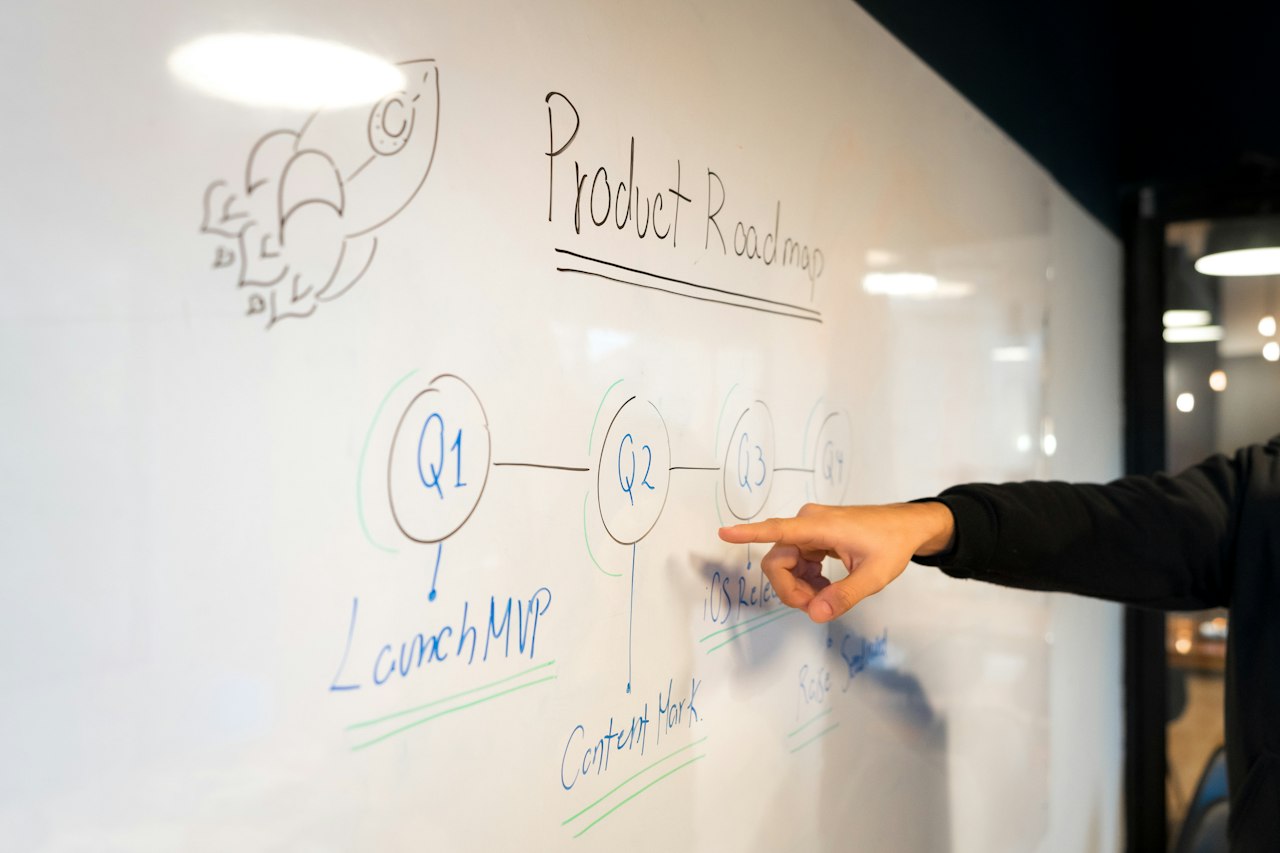
- Define the target process with the process owner. Whiteboard 5 to 10 key activities. Keep it narrow. Order-to-cash or invoice processing works well as a first scope.
- Identify which IT systems hold timestamps for those activities. SAP ECC, S/4HANA, Salesforce, and ServiceNow all generate event data. Celonis and SAP Signavio provide pre-built connectors for these systems.
- Extract and structure the event log. You need three fields: Case ID, Activity, Timestamp. Everything else is optional enrichment. Budget 80% of your pilot time here. Data prep is where most pilots stall.
- Load into the process mining tool and run process discovery. The tool builds the actual process map from your event data.
- Identify the top 3 to 5 automation candidates by volume, rework rate, and cycle time impact. These are your prioritized automation targets, backed by data.
Process mining doesn’t replace the process owner’s knowledge. It augments it. You still need someone who understands the business context to interpret what the data shows. But you stop guessing which processes to fix.
If you’re also evaluating which low-code platform to build those automations on, see the breakdown of Appian vs. Mendix vs. Pega for regulated industries. And once automations are running, see how to measure automation ROI beyond cost savings.
What to do next
If you’re planning an automation program and haven’t run a process mining analysis yet, start there. One scoped process, a clean event log, and the right tool will show you where your highest-impact opportunities actually are.
Read next: Enterprise Hyperautomation: Combining Low-Code, AI, and Process Mining
Scadea services for process discovery
Scadea runs process mining on event logs before recommending what to automate. Intelligent process automation covers discovery and the automation that follows, and analytics and business intelligence covers the process dashboards teams use to track results.