AI That Plans, Executes, and Adapts.
Autonomous agents that break complex work into steps, coordinate across systems, and hand off to humans when stakes climb.





Software That Holds a Goal and Works Toward It
Give it a goal. It plans the steps, runs them across your systems, watches the result, and adapts. When stakes climb, it routes the decision to a human.
Breaks a goal into ordered, runnable steps.
Calls real systems to get work done.
Tracks context and what has happened so far.
Knows when to pause and call a human.
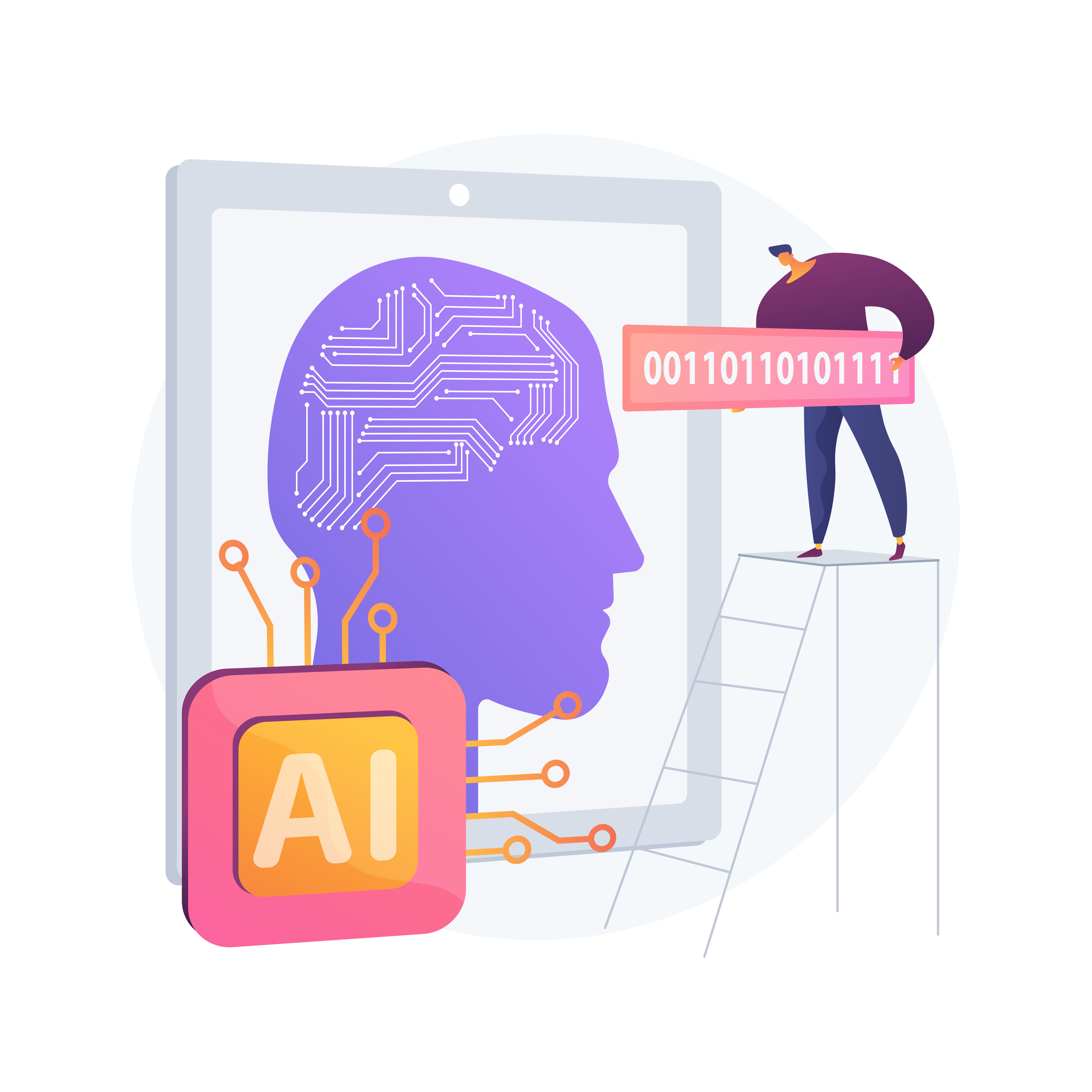
Every agent operates within boundaries you define: confidence thresholds, access permissions, escalation rules, audit trails. Powerful because it is governed, not because it is unrestricted.
Where Agents Earn Their Keep
Autonomous Task Agents
Decompose a complex goal into steps, then execute each one across your systems.
Multi-Step Workflow Orchestration
Coordinates across departments and systems, drafts a resolution, routes to the right specialist.
Cross-System Decision Automation
Confidence-based routing handles the routine. Manual override catches exceptions.
Knowledge Base Retrieval (RAG)
Agents answer from your data. Permission-aware, source-cited, fully logged.

Human Escalation Routing
Low-confidence outputs pause and surface to a human with full context and audit trail.
Agents Shaped Around Your Sector
A generic framework is a starting point. Real value comes from agents built for your sector's data, workflows, and regulations. Same architecture, different domain.

KYC Validation Agent
Reads customer data across every core banking system, flags inconsistencies, and routes the specific mismatch to compliance. No manual reconciliation.

Credit-File Refresh Agent
Pulls borrower financials, updates the covenant tracker, flags drift against original underwriting, and routes exceptions to the relationship manager.

First-Notice-of-Loss Agent
Intakes the claim, pulls policy data, cross-checks fraud signals, drafts the initial reserve, and hands the file to an adjuster with full context.
Why Our Background Matters
Most AI companies started with models and are now figuring out orchestration. Scadea went the other direction. We spent years building workflow orchestration: RPA, integration platforms, process mining, low-code automation. Agentic AI is the natural evolution of that work.
The patterns are the same. Task decomposition, system integration, exception handling, human escalation. The difference is that the orchestrator is now intelligent. It adapts instead of following a script.
Scadea Evolution
Architecture, Not Experiments



Define the boundaries.
Permissions, access controls, and escalation rules, set before the agent does anything. No open-ended autonomy.
Design the workflows.
Map the multi-step tasks. Define what auto-processes, what pauses, and what escalates.
Build retrieval.
Connect the agent to your knowledge bases with permission-aware RAG. Answers come from your data, within your access rules.
Implement governance.
Closed LLM deployments. Audit trails. Confidence thresholds. Every action logged and traceable.
Test with humans in the loop.
Reviewers validate agent outputs before production. Confidence thresholds tuned to real review data, not assumptions.
Monitor and retrain.
Continuous monitoring catches drift, accuracy degradation, and edge-case patterns, triggering retraining or rule changes.
What Powers Agentic AI


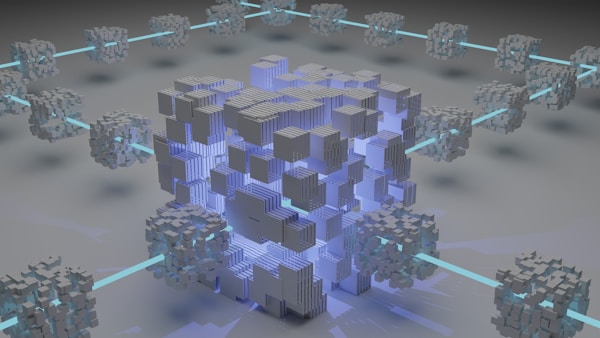
Where Generative AI Lives Inside an Agent
Ask an agent to run your blog pipeline. It plans the topic, writes the post (using a generative model inside), applies your branding, checks compliance, and publishes on a schedule, with no per-step prompt. Ask the same model on its own and you are back to copy-paste.
The agent is the architecture. The generative model is a layer inside it. Most enterprise AI programs still treat generative as the endpoint, a step behind where the value is.
| Agentic AI | Generative AI |
|---|---|
| Plans and executes multi-step tasks | Creates outputs (text, code, images) |
| Pursues goals autonomously | Responds to prompts |
| Multi-step workflows across systems | Single-turn or multi-turn conversations |
| Human reviews decisions at checkpoints | Human reviews outputs |
| Best for: orchestration, automation, coordination | Best for: content, analysis, summarization |
Most enterprise solutions combine both. Generative handles creation. Agentic handles coordination. Human oversight governs both.
Agentic AI is the center of our AI practice.
Generative sits inside it. Industry agents shape it. Human oversight governs it.
Ready to Deploy Agents That Work in Production?
Start with a readiness assessment. We evaluate your data, workflows, integrations, and governance maturity. Then we build agents, with boundaries.
Need Answers? Find Them Here.
Is agentic AI safe for regulated industries?
Why does Scadea lead with agentic AI?
What's the difference between agentic AI and RPA?
Do agents replace human workers?
How do you prevent agents from going off-script?
Do you offer pre-built agents for specific industries?
Built on platforms enterprises already trust.