Cloud AI Environments
Compute environments configured specifically for AI workloads. GPU access for training and inference. Autoscaling for variable demand. Cost optimization so you are not running expensive instances at idle.
Cloud platforms configured for AI workloads. Vector databases for retrieval. Model deployment pipelines with version control and rollback. Monitoring that catches drift before your users do.




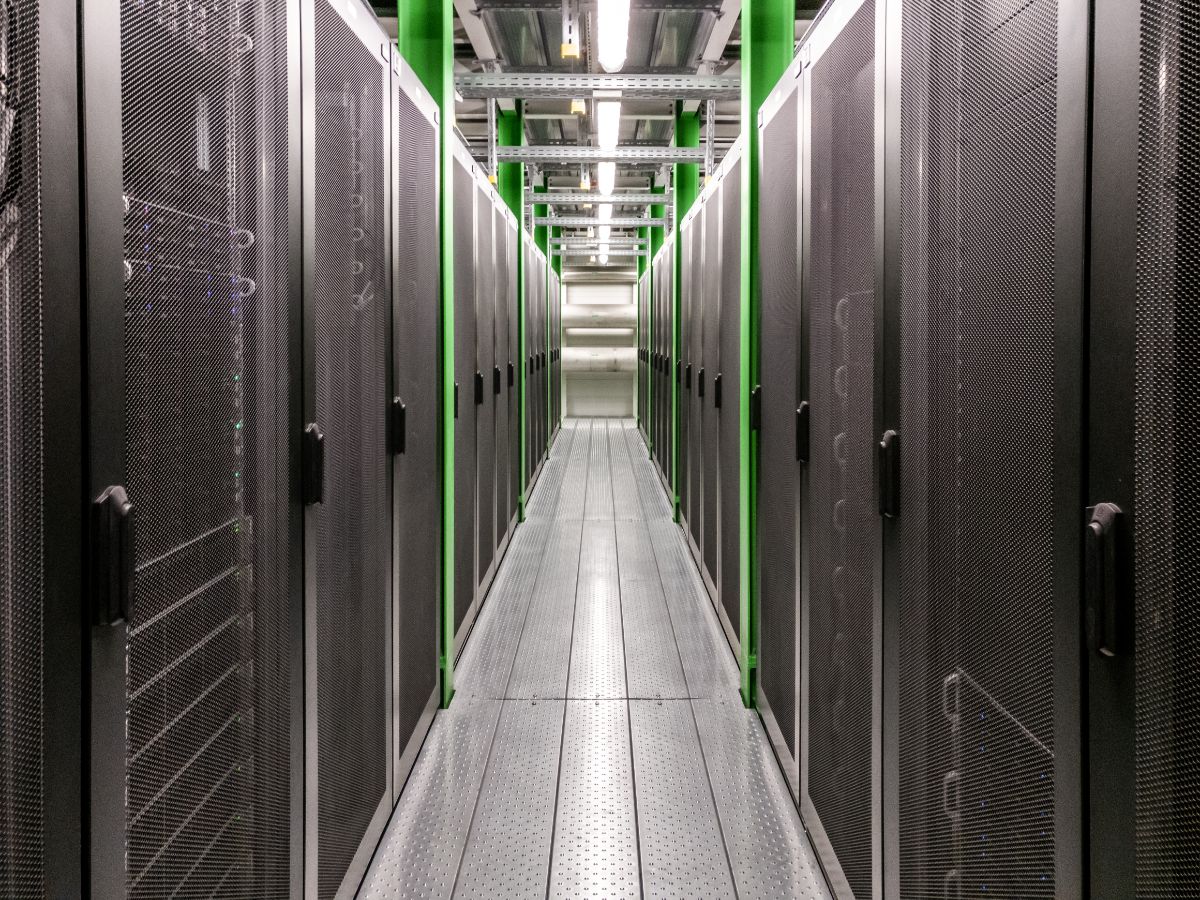
Most AI pilots succeed in a notebook. Most never make it to production. The work that closes that gap is infrastructure work, and it is the part most AI vendors do not do.
Models need reliable data pipelines. They need version control so you can roll back a bad deployment. They need monitoring so you catch performance drift before customers complain. They need environments configured for AI workloads, not repurposed from general compute.

Compute environments configured specifically for AI workloads. GPU access for training and inference. Autoscaling for variable demand. Cost optimization so you are not running expensive instances at idle.
The storage layer for RAG systems and semantic search. Vector databases (Pinecone, Weaviate, pgvector) that let your AI retrieve relevant information from your data, not hallucinate from training data.
CI/CD for AI models. Version control so every model deployment is tracked. Rollback capability so a bad release gets reverted in minutes, not days. Staging environments for testing before production.
Models degrade over time. Data changes. User behavior shifts. Business rules evolve. Monitoring catches drift, tracks prediction quality, and alerts your team before outputs go stale.
The plumbing that feeds your models. ETL/ELT pipelines that deliver clean, current data on a reliable schedule. Schema management. Data quality checks that run before data hits the model, not after.
Role-based access to models and data. API key management. Encryption in transit and at rest. Audit logging on every model query and output. Enterprise-grade security for enterprise-grade AI.
We do not lock you into a single vendor. We build on whatever makes sense for your environment, your team's skills, and your budget.
The pilot runs on a data scientist's laptop. It works. Everyone gets excited. Then someone asks: "How do we put this in production?" That is where most AI projects stall.
The model is ready. The infrastructure isn't. There's no deployment pipeline, no monitoring, no rollback plan, no data pipeline feeding it fresh data. We bridge that gap. Every AI engagement includes infrastructure assessment and build-out as part of the scope. Not as a separate project that happens later.


Continuous monitoring of model performance, GPU utilization, response latency, and error rates. Alerts route to your team or ours, depending on the engagement model.

Right-sized compute. Spot instances for training. Reserved capacity for inference. Cost dashboards that show where the dollars go and where they can be trimmed.

Automated drift monitoring catches degraded models before users notice. Retraining pipelines kick off on schedule or on threshold breach. Versions are tracked, rollback is one click.
Take our readiness assessment. It covers data infrastructure, cloud environments, deployment pipelines, and monitoring. You will know exactly what needs to be built before your AI can run in production.
It depends on what you have. If you are running modern cloud infrastructure (AWS, Azure, GCP), you may need configuration changes rather than net-new builds. If you are on legacy systems, there is more work involved. The assessment tells you exactly where you stand.
AI workloads need GPU access, vector databases, model versioning, drift monitoring, and specialized data pipelines. General cloud infrastructure handles compute and storage but isn't configured for these requirements out of the box.
Configuration of existing cloud environments for AI workloads: 4 to 8 weeks. Building new deployment pipelines and monitoring: 8 to 12 weeks. Full infrastructure build from scratch: 12 to 20 weeks depending on complexity.
Yes. We offer managed AI infrastructure services: 24/7 monitoring, pipeline maintenance, model retraining, cost optimization, and incident response.
No. We recommend the platform that fits your workload and your team's skills. Most engagements end up multi-cloud or multi-platform because that reflects how enterprises actually run.
Infrastructure runs underneath every AI engagement Scadea delivers. Agents, generative models, and applied AI deployments all rely on the same infrastructure principles. See the AI Solutions page for how the services fit together.