Home What We Do Who We Are Contact Us
Enterprise AI Orchestration

The Connective Layer Your Enterprise Needs.

AI agents that coordinate tasks across departments, pull from shared knowledge bases, and hand off to humans when decisions carry weight. This is where hyperautomation meets agentic AI.

300+ Consultants 8 Countries ISO 27001 CMMI Level 5 Inc. 5000
Agentic Orchestration Glowing enterprise AI network
Coordinated agents
Research
Draft
Validate
Route
Why Orchestration

One Department at a Time Doesn't Scale.

Most enterprise AI starts in silos. Sales gets a forecasting model. IT gets a ticket router. Finance gets anomaly detection. Each works fine on its own. None of them talk to each other.

The result: duplicated data, inconsistent decisions, and manual handoffs between AI systems that should be connected. The intelligence stays trapped in departments instead of flowing across the organization.

Enterprise AI orchestration solves this. It is the layer that connects AI workflows across departments, systems, and data sources into a coordinated whole.

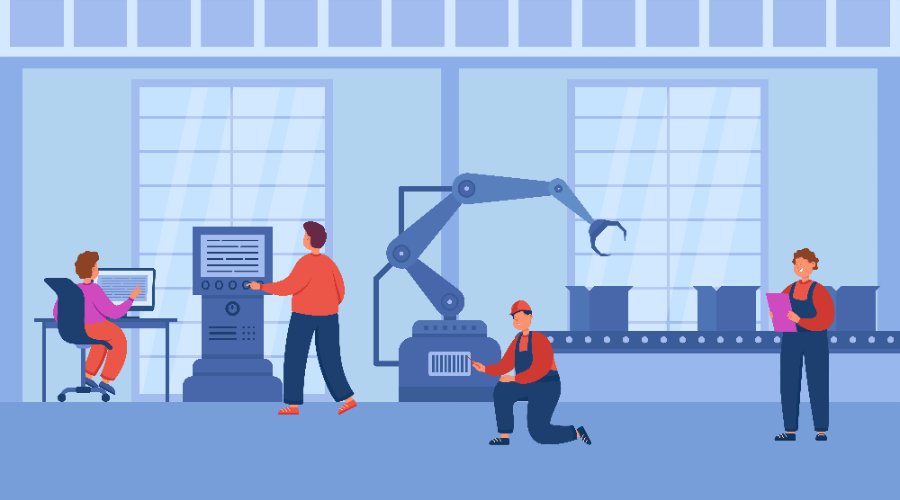
Connected by Design Technicians integrating AI automation tools
Before · Siloed AI
Sales forecast
IT ticket routing
Finance anomaly
HR screening
After · Orchestrated
Forecast → Pipeline
Tickets → Quality loop
Anomaly → Compliance
Screening → Onboarding
In Action

AI That Coordinates, Not Just Computes.

01

Multi-Agent Architectures

Multiple AI agents working together on complex tasks. One agent researches. Another drafts. A third validates. A fourth routes for human review. Each agent has a defined role, defined boundaries, and defined escalation rules.

02

Cross-Department Workflows

A customer complaint triggers AI analysis in the service desk, flags a quality issue in manufacturing, and updates the risk model in compliance. One event. Three departments. Zero manual handoffs.

03

Knowledge Base Orchestration

AI agents pull from shared, permission-aware knowledge bases. RAG (retrieval-augmented generation) ensures the AI answers from your data, not the open web. Access controls ensure each agent only retrieves what it is authorized to see.

04

Human Escalation at Scale

Not every decision can auto-process. Orchestration includes confidence-based routing: high-confidence outputs proceed automatically, low-confidence outputs pause for human review. The system decides what needs a person, not the person.

The Evolution

The Natural Next Step.

Scadea's hyperautomation track record matters here. We have spent years building workflow orchestration systems. RPA, integration platforms, process mining, low-code automation. Agentic AI is the evolution of that work.

The difference: traditional automation follows predefined rules. Agentic AI adapts. It plans multi-step workflows, adjusts when conditions change, and makes decisions within boundaries you define.

Few firms make that jump credibly. Most AI vendors started with models and are learning orchestration. We started with orchestration and added AI. That sequence matters.

Scadea Track Record

From rule-based execution to adaptive coordination.

Phase 01 Traditional Automation Shipped
Phase 02 RPA & Bots Shipped
Phase 03 iPaaS & Orchestration Shipped
Phase 04 Agentic AI Now
Scadea's track record across all phases. We did not skip the work that makes AI agents accountable.
What Powers It

What Powers Enterprise AI Orchestration.

Multi-Agent FrameworksCustom architectures, LangChain, CrewAI, AutoGen
LLMsOpenAI, Anthropic, open-source models (Llama, Mistral)
RAG SystemsPermission-aware retrieval, vector databases, knowledge graphs
Model Context ProtocolStandardized tool integration for AI agents
MLOpsContinuous model monitoring, retraining pipelines, drift detection
IntegrationMuleSoft, API management, event-driven architectures
GovernanceClosed deployments, audit trails, confidence thresholds, human escalation routing
Where It Creates Value

Where Orchestration Creates Value.

Intelligent Document Processing

Ingest, classify, extract, validate, and route documents across departments. One workflow handles what used to take three teams and two weeks.

Throughput · 8× Cross-Dept Workflow

Enterprise Search & Knowledge Management

AI agents search across all authorized systems. SharePoint, Confluence, Salesforce, internal databases. They synthesize answers from multiple sources. Permission-aware. Auditable.

Time-to-Answer RAG Architecture

Customer Service Escalation

AI handles tier-1 inquiries. Complex cases get automatically enriched with account history, sentiment analysis, and suggested resolutions before routing to a human agent.

CSAT · ↑18% Human Handoff

Regulatory Compliance Monitoring

AI agents scan regulatory updates, flag relevant changes, map them to your existing controls, and draft policy updates for human review.

Audit-Ready Governance

Supply Chain Coordination

AI monitors supplier performance, inventory levels, and demand signals across systems. Flags anomalies and triggers reorders or escalations based on configurable rules.

Stockouts · ↓35% Event-Driven
Business process workflowWorkflow
Smart factory productionProduction
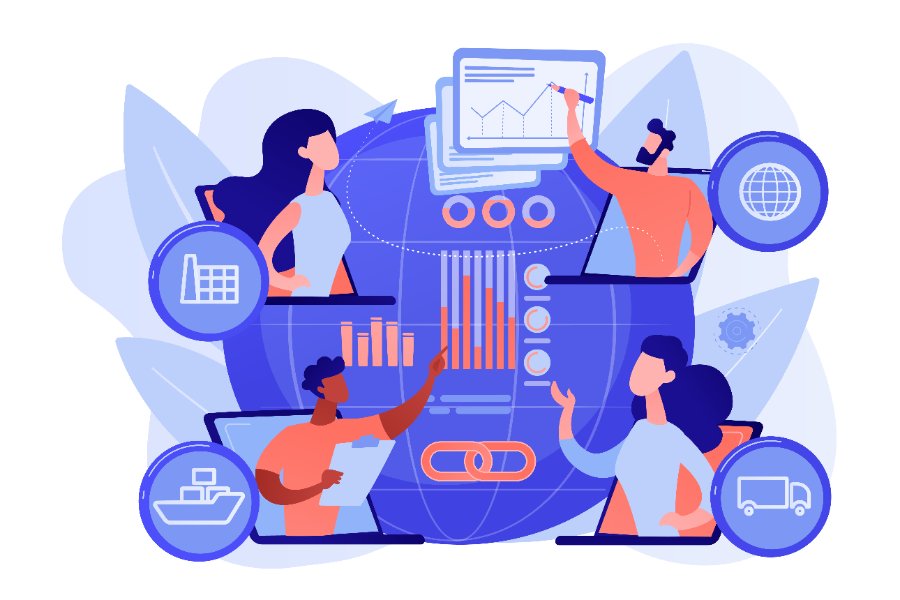
Coordinated systemsCoordination
Ready to Connect

Ready to Connect Your AI Across the Enterprise?

Start with a readiness assessment. We evaluate your current systems, integration landscape, and orchestration maturity. Then we build the connective layer.

Frequently Asked

Need answers? Find them here.

Traditional automation follows predefined rules. AI orchestration uses intelligent agents that adapt, make decisions within boundaries, and coordinate across systems. It is the difference between a script and a team.

No. Orchestration layers on top of your existing RPA, integration platforms, and workflows. It connects what you have and adds intelligence to the handoffs.

AI agents that can plan multi-step tasks, execute them, adapt when conditions change, and escalate to humans when needed. They operate with defined boundaries and governance rules, not free rein.

Every agent operates within permission boundaries. RAG systems use role-based access. All decisions are logged with audit trails. Human escalation is built into the architecture at defined confidence thresholds.

A focused engagement (one workflow, one department): 8 to 16 weeks. Multi-department orchestration: 4 to 8 months. Enterprise-wide orchestration: 6 to 12 months with phased rollout.

Orchestration sits at the center of Scadea's AI service line. Agentic AI runs on top of it. Infrastructure runs underneath it. Industry and department deployments plug into it. See the AI Solutions page for the full map.

Technology Partners

Built on platforms enterprises already trust.