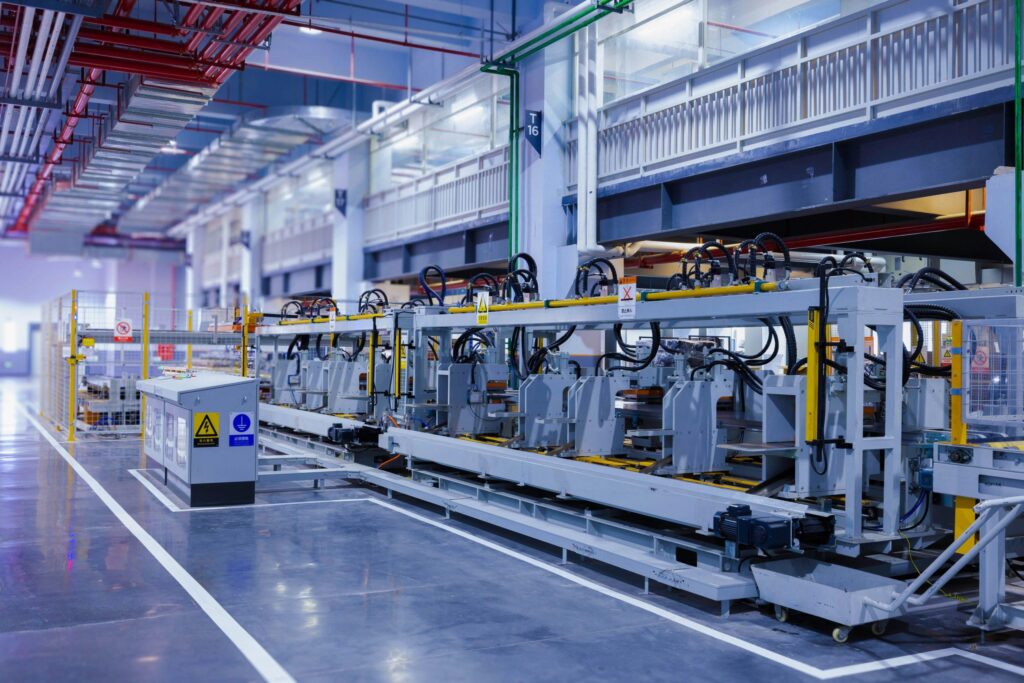
FROM: Scheduled maintenance. TO: Self-healing systems.
Moving Beyond the Calendar
A large industrial supplier maintained its equipment strictly on schedules: fixed dates, fixed intervals, regardless of the actual condition of the machines. Breakdowns still happened because the schedule didn’t reflect reality, and maintenance teams spent significant time servicing equipment that didn’t need attention while other machines quietly drifted toward failure between scheduled visits. Leadership wanted a more intelligent way to keep operations stable, one that responded to how equipment was actually performing rather than to a date on a calendar.
What We Found
- Machines with heavy usage were serviced too late, after wear had already become a problem.
- Light-use machines were pulled offline for maintenance they didn’t yet need.
- Downtime spikes didn’t line up with the maintenance calendar, meaning failures were happening outside the windows built to prevent them.
- Teams lacked any predictive indicator tied to real wear and tear, so every decision was a guess dressed up as a schedule.
- Maintenance effort was high, but it wasn’t being spent where it mattered most.
What We Did
Scadea’s team started by instrumenting the equipment itself, installing sensors to track heat, vibration, and power load across the machines that mattered most to production continuity. That raw sensor data fed predictive models trained to recognize the early signatures of a machine heading toward failure, well before the kind of breakdown that would have shown up as unplanned downtime under the old schedule-based approach.
- Installed sensors to continuously track heat, vibration, and power load on production equipment.
- Built predictive models that flagged machines heading toward failure based on real condition data, not elapsed time.
- Automated work orders that fired automatically when a machine crossed a risk threshold, routing straight to the maintenance team.
- Reduced unnecessary maintenance visits by tying scheduled work to actual machine condition instead of a fixed calendar.
The result was a system that started telling maintenance teams what needed attention, and when, instead of asking them to guess based on a static schedule.
Outcome & Takeaway
- Unplanned breakdowns dropped significantly as failures were caught and addressed before they escalated.
- Maintenance hours were redirected to the equipment that actually needed attention, cutting wasted effort on healthy machines.
- Production became more stable and more predictable, with fewer surprise stoppages disrupting the schedule.
When machines can speak, operations stop guessing. The supplier now runs maintenance on real signals instead of the calendar, with a foundation in place to extend the same condition-based approach to additional equipment as it comes online.